An AC not cooling below 75 degrees may have restricted airflow, incorrect thermostat settings, dirty coils, or a cooling problem that needs repair. High outdoor heat and heat entering your home can also limit performance. Check the thermostat, filter, and vents first, then seek service if the problem continues.
Your air conditioner brings the house down to 75 degrees, then seems to stop making progress. You lower the setting, wait longer, and check again. The reading barely changes.
This problem differs from an AC that blows only warm air. Your system may still remove heat, but not fast enough to reach your target. It could also stop cooling too soon because of a setting or control issue.
Before assuming you need a new unit, look at the pattern. Simple observations can help you decide what to check next.
Why Does Your House Stay at 75 When You Want It Cooler?
There is no universal rule that keeps an air conditioner from cooling below 75 degrees Fahrenheit. The lowest temperature your home reaches depends on the equipment, airflow, weather, and how much heat enters the building.
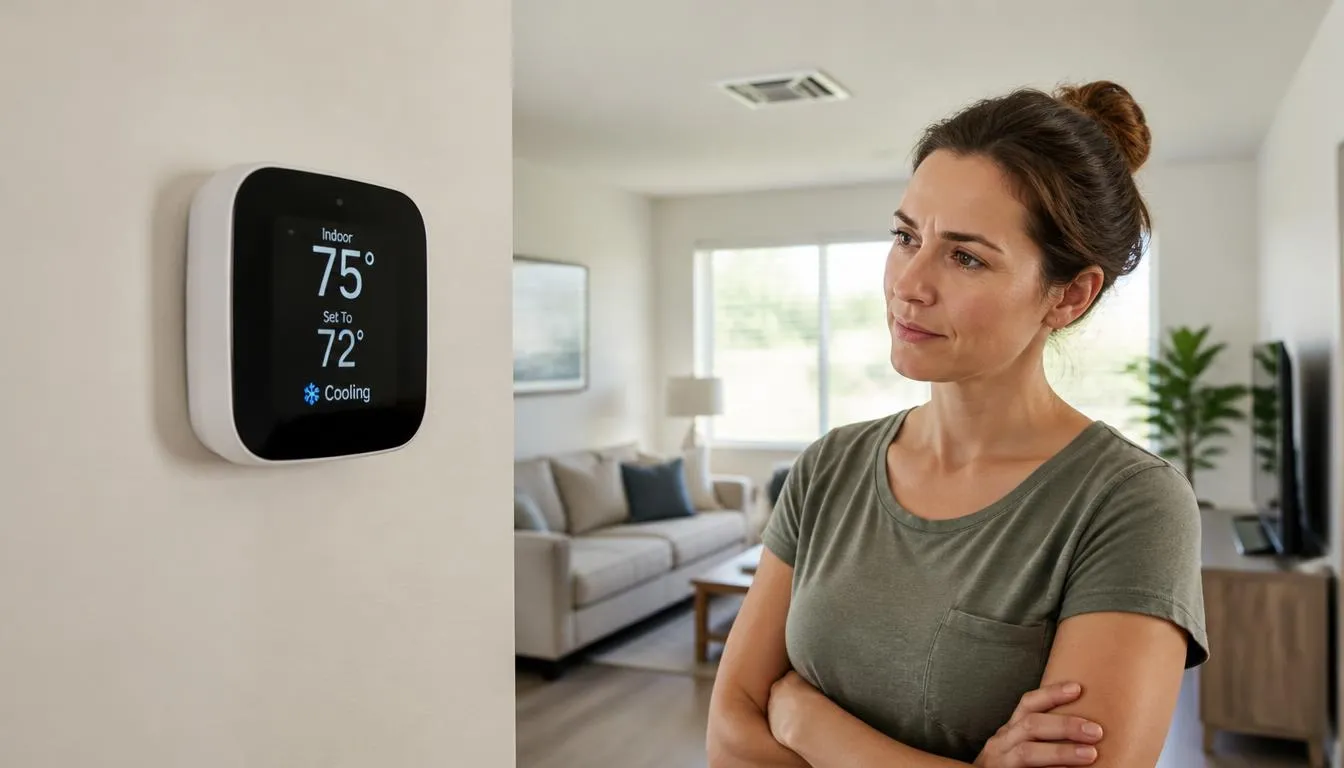
With the thermostat set to 72 but reading 75, notice whether the system keeps cooling or shuts off. Continuous cooling suggests it cannot remove heat fast enough under those conditions. Stopping early may point toward settings, sensors, or equipment controls.
Also compare rooms. A warm upstairs bedroom and a comfortable living room suggest a different issue from a whole house stuck at one temperature.
Humidity affects comfort as well as cooling. A room can feel sticky at 75 degrees even when air moves through the vents. The system must remove moisture along with heat. Mention damp air or a persistent clammy feeling during your service request. Avoid judging performance only by how cold one vent feels, because that does not show how well the whole home cools.
Write down when cooling stalls. That detail helps separate afternoon heat problems from faults that affect performance throughout the day.
Check Whether Your Thermostat Is Calling for More Cooling
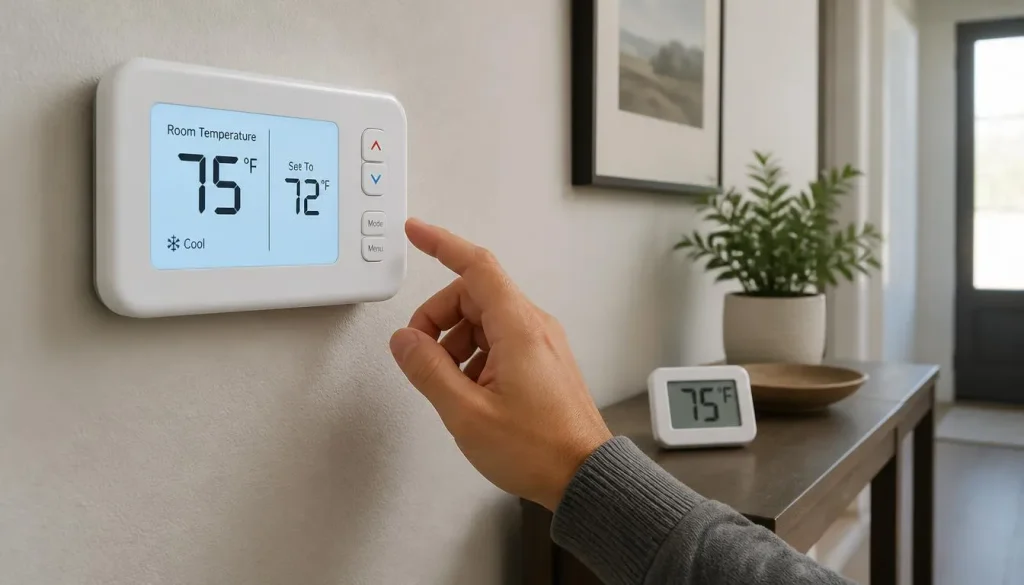
Set the thermostat to Cool and confirm that your target sits below the room reading. Check schedules, vacation modes, and energy saving features that may change the setting automatically.
If the controls will not let you select below 75, check the manual for a temperature limit or lock. That differs from selecting 72 and watching the room remain warmer.
For a basic comparison, place a separate room thermometer near the thermostat, away from direct sunlight and vents. Allow its reading to settle. Small differences can reflect device accuracy, so do not assume either reading proves a fault.
Sunlight, a nearby lamp, or a draft can also affect the sensor. Report consistent differences to a technician rather than changing hidden calibration settings yourself.
How Dirty Filters and Weak Airflow Slow Down Cooling
Your indoor blower must move enough air across the evaporator coil, the part that absorbs heat. A dirty filter can reduce that airflow and slow the cooling process.
Turn the system off before checking an accessible filter. Replace a dirty disposable filter with the correct size and approved type. Follow the airflow arrow. A filter that fits the slot may still restrict airflow if its rating does not suit your equipment.
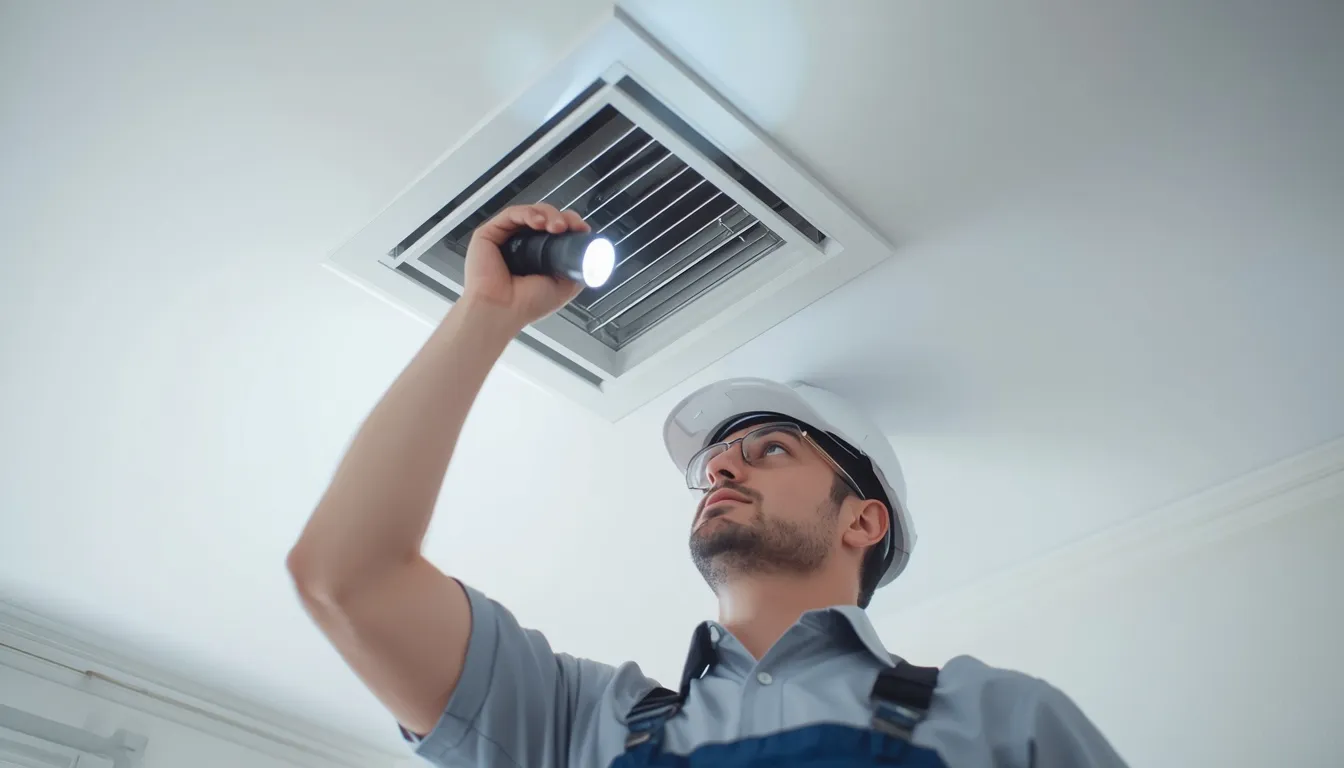
Check supply vents and return grilles for furniture, curtains, or dust buildup. Keep them open and clear. Closing several vents can upset airflow instead of directing useful cooling elsewhere.
Compare airflow between rooms without removing covers. Weak airflow everywhere may involve the filter or blower. One weak vent may point toward a duct problem.
Why Your AC May Struggle During the Hottest Part of the Day
Your home gains heat through windows, walls, the roof, and outdoor air entering through gaps. Appliances and people add heat indoors too. The AC must remove that heat before the room temperature can fall further.
During extreme afternoon heat, a working system may hold the house steady while running for long periods. After sunset, the lower demand may allow it to reach your setting.
That pattern does not prove everything works properly. If your AC could handle similar weather last month but now struggles, arrange an inspection.
Close blinds before direct sunlight reaches the windows. Keep exterior doors shut and avoid using the oven during peak heat. These steps reduce the workload, but they will not repair a damaged component.
You may hear that an AC can only cool a house 20 degrees below the outdoor temperature. That is not a reliable limit for every home. Technicians sometimes compare air temperatures before and after the indoor coil, but that measurement differs from the indoor versus outdoor temperature gap. They interpret it alongside airflow and humidity. A single temperature reading cannot tell you whether the system needs refrigerant, a repair, or different equipment.
Could Dirty Coils or Low Refrigerant Limit Cooling?
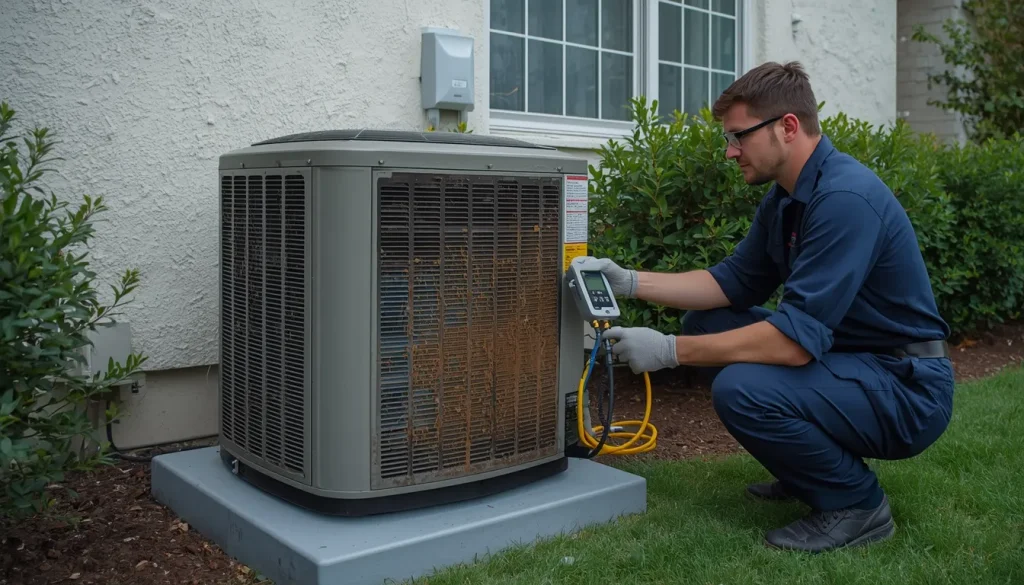
The indoor coil absorbs heat, and the outdoor condenser coil releases it. Dirt on either surface can make that exchange less effective. Your system may still produce cool air while struggling to lower the whole house temperature.
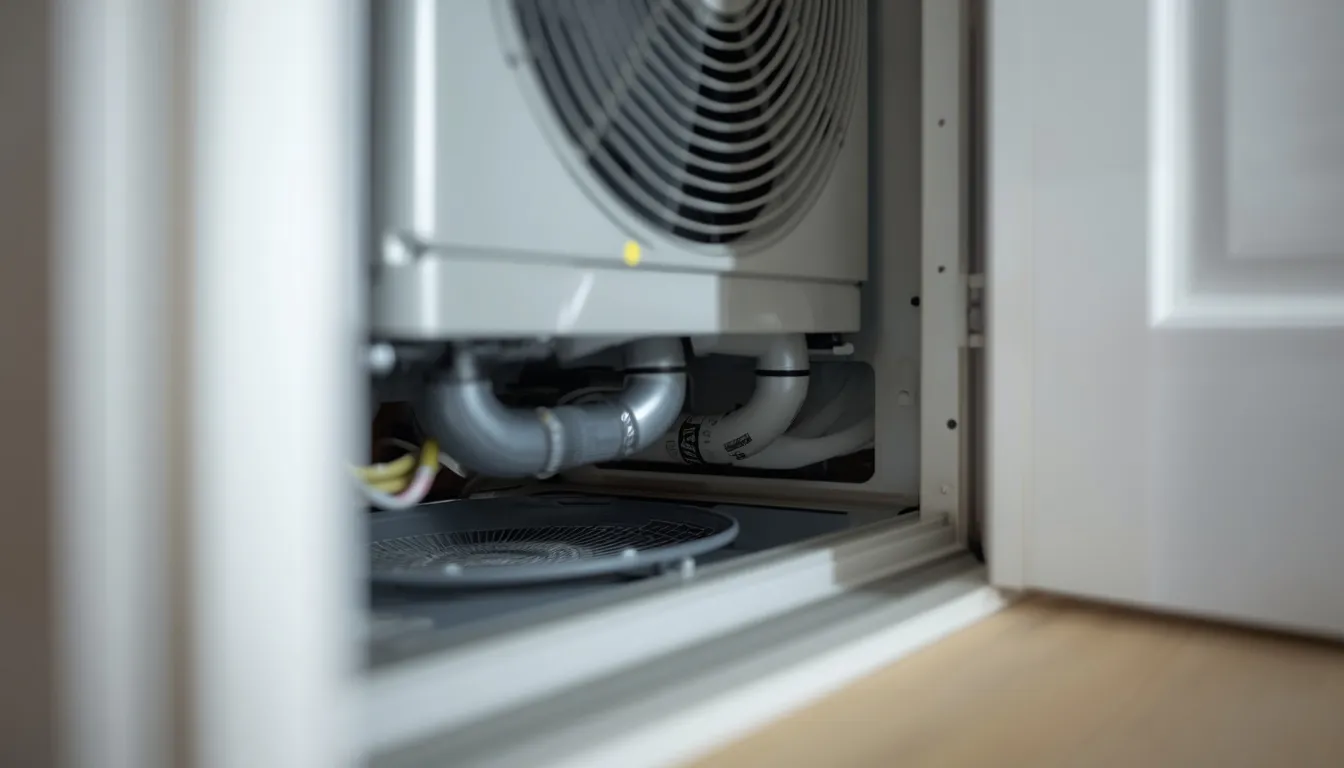
Look for plants or loose debris crowding the outdoor unit. Follow the manufacturer’s clearance guidance. Do not remove panels or use a pressure washer on the delicate coil fins.
Low refrigerant can also reduce cooling. Refrigerant carries heat through a closed system and does not normally disappear with use. A low charge may indicate a leak or an earlier charging error.
Ice on accessible refrigerant piping needs attention. Turn cooling off and contact a technician. Never chip away ice or open refrigerant lines. Testing and correcting the underlying cause requires professional equipment.
How Duct Leaks and Poor Insulation Keep Your House Warm
Even when the AC makes cold air, that air must reach your rooms. Leaks in supply ducts can release it into an attic or other space before it reaches a vent.
Poor insulation creates another problem. Heat passes into the house more easily, so the AC must keep removing it. Gaps around doors, windows, and attic openings can also let warm outdoor air inside.
Clues include rooms that stay warmer than others and cooling that struggles most when the roof and walls heat up. These signs suggest areas to investigate, not a confirmed diagnosis.
Ask about duct inspection and repair if airflow varies between rooms. A home energy assessment can help identify insulation gaps and air leaks. Avoid entering a hot attic to search for problems yourself.
Is Your AC the Right Size for Your Home?
AC size refers to cooling capacity, not the cabinet’s dimensions. A system with too little capacity may struggle when demand peaks. However, an AC not reaching set temperature does not automatically need a larger replacement.
A new room addition, enclosed porch, or major window change can alter the home’s cooling needs. Duct design also matters because the system must deliver air where it belongs.
Ask for a cooling load calculation before replacing equipment. This assessment considers climate, windows, insulation, home size, and other sources of heat.
Bigger is not always better. An oversized unit may cool quickly and stop before removing enough moisture. Long run times alone do not prove undersizing, especially with equipment designed to adjust its speed.
What Can You Safely Try Before Scheduling AC Service?
Work through these checks in order:
- Confirm Cool mode, your target temperature, and any active schedule.
- Switch the system off and inspect an accessible air filter.
- Clear furniture and curtains away from supply vents and returns.
- Close blinds on sunny windows and shut exterior doors.
- Look for outdoor obstructions without reaching inside the unit.
- Record the indoor reading and whether it improves after sunset.
Keep your desired setting steady while observing performance. Lowering it much further will not make most systems cool faster. Allow any normal start delay after changing settings.
Stop cooling if you see ice, smell burning, or hear harsh mechanical noises. Do not repeatedly reset a tripping breaker. Leave electrical checks and refrigerant work to a qualified technician.
If the home becomes uncomfortable while you wait, spend time somewhere cooler.
When Does a Temperature Problem Need Professional Diagnosis?
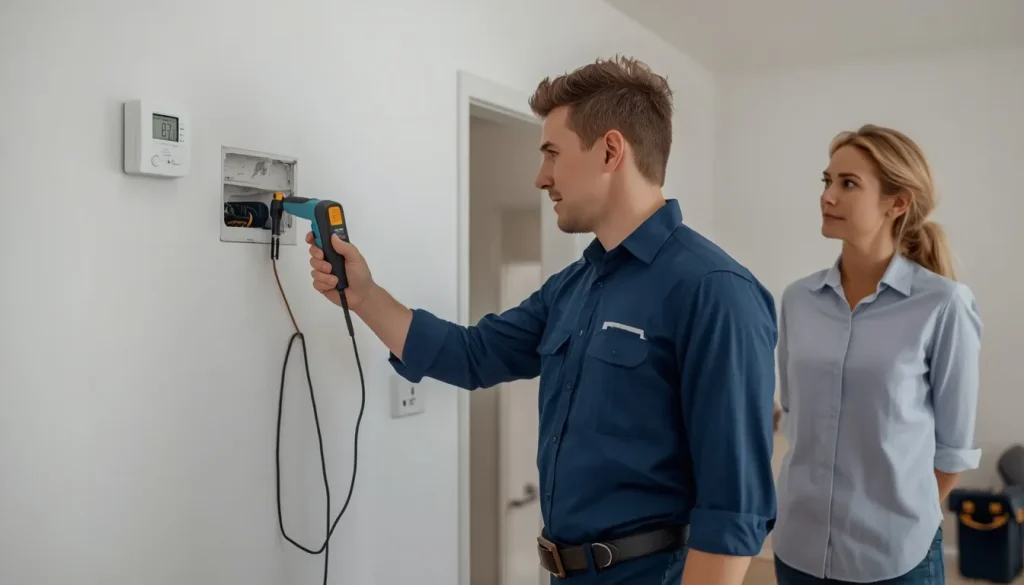
Book service if the temperature gap persists after basic checks or the system suddenly performs worse than usual. Cooling that still falls short during milder evening weather also deserves a closer look.
How long should you wait for improvement? There is no single recovery time for every house. Starting temperature, humidity, outdoor conditions, and the amount of stored heat all affect the pace. Watch for a downward trend rather than expecting an immediate change.
A technician can check thermostat accuracy, airflow, coil condition, electrical parts, and refrigerant performance. Explain whether the unit runs steadily, stops early, or cools some rooms better than others.
Ask what measurements support the diagnosis and whether a repair addresses the cause. Routine AC maintenance can help catch dirty coils and developing faults, but it cannot prevent every breakdown.
Get Help From The Air Squad in West Palm Beach, FL
A house that stays at 75 degrees needs a clear professional diagnosis, not repeated thermostat changes. Start with settings and airflow, then consider when the problem occurs. Afternoon heat, duct losses, and equipment faults can produce similar symptoms.
The Air Squad provides AC maintenance and repair services. Share your chosen temperature, the actual reading, and whether cooling improves at night. Those details help explain your concern and guide the inspection.
Contact the team to schedule an AC inspection and find out what is keeping your home from reaching a comfortable temperature.